Prof. David Vauzour
Prof. David Vauzour
Prof. David Vauzour
Dr Sebastien Thuault is the Chief Editor of Nature Aging, a multidisciplinary and highly selective journal that publishes aging research from multiple fields and perspectives.
He studied neuroscience at the University of Bristol in the UK, where he obtained his PhD, and continued his training at Columbia University in New York. Since 2011, he has held several editorial positions within the Nature Portfolio, including Senior Editor at Nature Neuroscience and manager of the Neuroscience and Human Behavior section at Nature Communications. In 2018, while serving as a Publishing Manager for the Nature Portfolio, he developed the scope, vision, and original publishing proposal for Nature Aging. He assumed the role of Chief Editor when the journal opened for submissions in 2020 and has led it since.
Paul O’Toole is Professor of Microbial Genomics and Head of Microbiology at University College Cork, Ireland. He is a Principal Investigator in APC Microbiome Ireland (apc.ucc.ie), in which he leads projects on gut microbiota as a modulator of health and disease risk.
His main research program is on the functional genomics of gastrointestinal bacteria in humans with emphasis on lactobacillus genomics and phylogeny, gut microbiota in aging, colorectal cancer and in IBS. He has coordinated and participated in several major national and international projects that examined the composition and function of the gut microbiota, its reaction to habitual diet, and its relationship to health, functional gastrointestinal disorders, and aging. The ultimate aim of these investigations is to understand and control host-microbiome interactions, especially in the context of multi-factorial disease.
Dr. José Ordovás, PhD, is a Senior Scientist and leader of the Precision Nutrition & Healthy Aging directive at the HNRCA. He is a globally recognized pioneer in the fields of nutrigenomics and precision nutrition.
Dr. Ordovás’s research explores how genetic and epigenetic variation influence individual responses to diet, with a strong emphasis on cardiometabolic health, obesity, and aging. He has been instrumental in defining the scientific basis for gene-diet interactions and their translation into precision strategies for chronic disease prevention. His group integrates state-of-the-art omics tools — genomics, epigenomics, metabolomics, and microbiome profiling — with AI-driven analytics and clinical phenotyping.
His recent work includes research on the APOA2 gene and dietary fat interaction, gut microbiota, inflammation, and the role of the TCF7L2 gene in the dietary prevention of type 2 diabetes. He is also a leading voice in emerging efforts to create AI-driven digital twins for personalized aging strategies and is actively involved in shaping national and international research agendas on planetary health, food systems resilience, and ultra-processed foods.
Deepak Kumar Saini is a Professor in the Department of Developmental Biology and Genetics at the Indian Institute of Science (IISc) in Bengaluru, India. He also holds affiliations with the Department of Bioengineering and the Centre for Infectious Diseases Research at IISc. He is internationally recognized for his contributions to the fields of aging biology, cellular signaling, and translational geroscience.
At IISc, Professor Saini’s research has focused on understanding the molecular and cellular mechanisms underlying aging, inflammation, and infectious diseases. His team studies the role of cellular senescence, inflammatory signaling, and metabolic alterations in aging, with the aim of identifying biomarkers and therapeutic targets that can improve healthspan and longevity.
Professor Saini is also the Convener of the Longevity India Initiative, a national research program dedicated to advancing longevity science and healthy aging research in India. Through this initiative, he has helped build collaborations among scientists, clinicians, technologists, and industry partners to generate large-scale biological data and develop evidence-based strategies to promote healthy aging.
He has authored more than 100 scientific publications and has contributed to several patents in biotechnology and biomedical research.
Laura Fratiglioni is Professor of Medical Epidemiology, especially Dementia at the Department of Neurobiology, Care Sciences and Society since 2000 at Karolinska Institutet, Sweden. Her major research interest is epidemiological studies of neurodegenerative diseases in the elderly. Specifically, Laura Fratiglioni and her group are involved in the following research lines:
Since 2018, she is Director of the National E-infrastructure on Aging Research (NEAR) a consortium of eight universities that coordinates existing databases from major population-based longitudinal studies on aging and health in Sweden. She is the principal investigator of the Kungsholmen Project on Aging and Dementia and The Swedish National Study on Aging and Care-Kungsholmen population study (SNAC-K). Her scientific production has led to 339 original articles, 21 reviews, and 11 letters in peer-reviewed journals, 32 book chapters and 13 reports.
Sandrine Andrieu (M.D, PhD) is professor of public health, chair of the clinical epidemiology and public health department at the Toulouse University Hospital and adjunct professor at the University New Mexico (USA, since 2018).
Since 2009, she’s responsible of aging research team in the center for Epidemiology and research in population health (CERPOP, UMR1295 Inserm – Toulouse University). She served as director of the research center for Epidemiology and research in population health (UMR1027 Inserm – Toulouse University) from 2011 to 2020. She has published more than 300 international papers and book chapters in the field of aging and Alzheimer’s disease. She is involved in large prevention studies in the field of neuro-degenerative disease (GuidAge, MAPT) and in European projects (HATICE study, MIND-AD, PRODEMOS study).
Her main topic of research is Alzheimer’s disease and prevention of age-related loss of functions, and healthy aging. She’s past-president of the French National Society of Geriatrics and Gerontology and currently president of the scientific committee of France Alzheimer.
Umberto Simeoni’s research focuses on the interactions between development and environment during the early stages of life. His work with his collaborators contributes to a better understanding of the biological mechanisms underlying the developmental origins of health, chronic diseases and aging.
As a pediatrician and neonatologist, he held academic and leadership positions as a professor of paediatrics at Louis Pasteur University and University Hospital of Strasbourg, France, as well as Aix-Marseille University and AP-HM University Hospital, before joining the University and University Hospital of Lausanne, Switzerland, as head of Paediatrics and of the DOHaD Research Laboratory. Umberto served as President of organizations such as the European Association of Perinatal Medicine, Francophone Society for Neonatal Research, French Society of Perinatal Medicine, and the Francophone Society DOHaD, the latter of which he co-founded. He currently chairs the Institut Danone, France, and the Global Scientific Board of Danone Institute International, dedicated to research on nutrition and healthy aging.
Professor Yuji Naito is a gastroenterologist and a leading authority in Japan on the gut microbiome, oxidative-stress biology, and healthy ageing. Building on a distinguished career in gastroenterology and redox biology, he established the Kyotango Longevity Cohort, a pioneering population-based study investigating the relationship between gut microbiota and healthy longevity. He has further translated these discoveries into practical health applications through the development of functional foods and the Flora Scan gut-environment assessment platform. To date, he has authored 599 peer-reviewed publications and 24 books.
Prof. Elaine Holmes is based at Hong Kong University of Science and Technology and was a former ARC Laureate Fellow, Premier’s Fellow and Head of the Centre for Computational and Systems Medicine at Murdoch University. Her main research area focuses on applying metabolic profiling and computational modelling of biofluids and tissues to understand pathological and physiological disease processes. She has applied the technology in several clinical and biomedical areas but has a strong focus on phenotyping the impact of the gut microbiome on human health. She retains a position at Imperial College London where she focuses on precision nutrition and is a founder director of Melico, a startup company that operates in the personalised nutrition space and is a visiting professor at various International ‘Universities.
She has authored over 500 papers and books in metabolic profiling and chemometrics. She is a Fellow of the Academy of Medical Sciences and the Australian Academy of Science and has won several awards including the Royal Society of Chemistry Interdisciplinary Award and Lifetime membership of the Metabolomics Society. Her current focus is to develop metabolic profiling capacity in Western Australia and apply it to both population and precision medicine and nutrition.
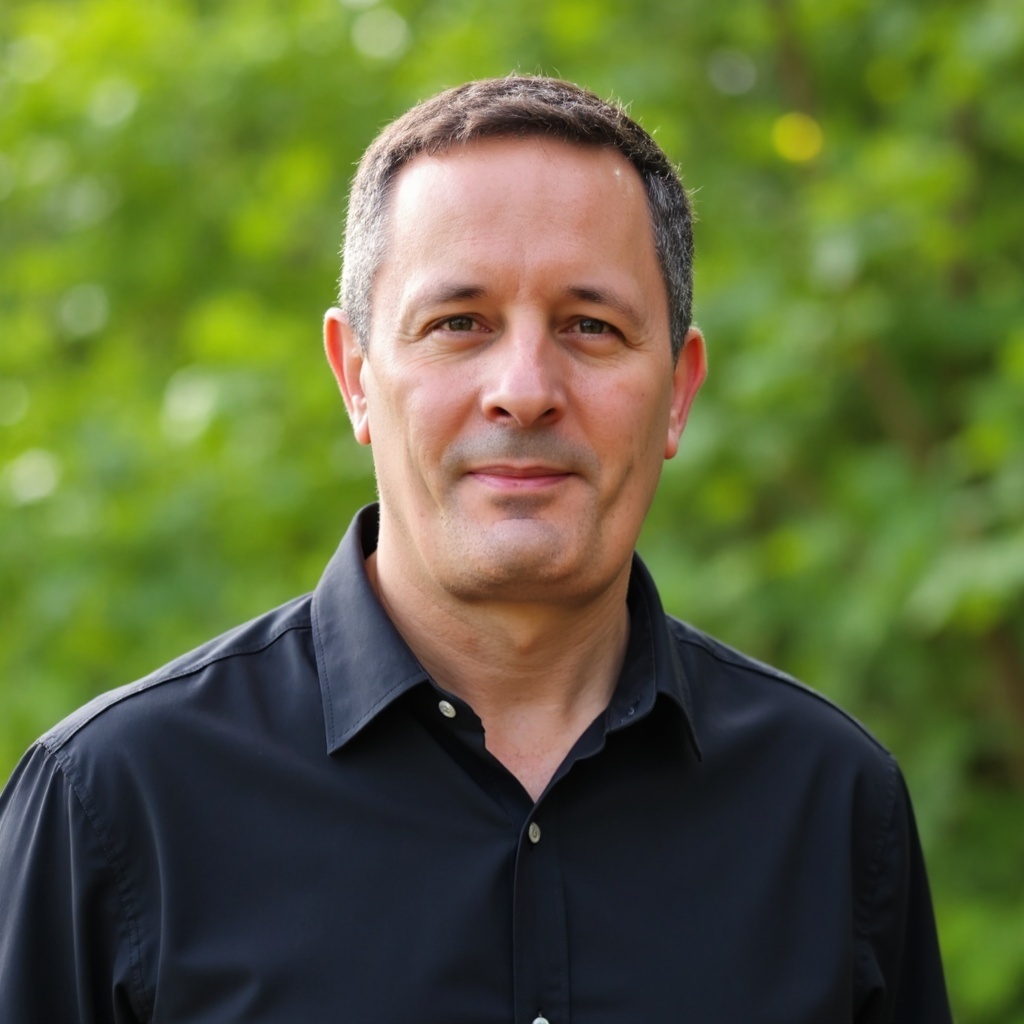
Dr David Vauzour is an Associate Professor in Molecular Nutrition at the Norwich Medical School, University of East Anglia, UK. Dr Vauzour has longstanding interest on the impact of food bioactives on (neuro)degenerative disorders and to develop novel strategies to delay brain ageing and cognitive decline. His recent interests concern how food bioactives and gut-derived metabolites modulate the gut microbiome-brain axis in ageing and neurodegenerative disorders and their underlying molecular mechanisms. To date Dr Vauzour has published over 130 peer reviewed articles, serves as the Associate Editor for many journals and currently sits on the ILSI Europe Scientific Advisory Committee.
Prof. Ruth Ley is the Director of Department of Microbiome Science at the Max Planck Institute for Biology in Tübingen, Germany. She is a microbial ecologist who studies the diversity, evolution and function of the human gut microbiome. A major focus of her research has been the evolutionary relationships between humans and their gut microbes. She demonstrated that host genetics contributes to microbiome composition and identified heritable microbial taxa associated with metabolic health. Through large-scale comparative studies, she showed that many gut microbes share an evolutionary history with their hosts, providing evidence for long-term host-microbe associations and codiversification. Her laboratory has also uncovered molecular mechanisms of host-microbiome interaction, including immune evasion of flagellins produced by commensal gut bacteria, and the integration of microbially derived lipids into host metabolic pathways.
Prof. Jingyuan Fu is a professor of systems medicine in the University Medical Centre Groningen, the Netherlands and an elected member of the Royal Netherlands Academy of Arts and Sciences (KNAW) and the Royal Holland Society of Sciences and Humanities (KHMW). She obtained a BSc in Biochemistry, a MSc in Biotechnology and Bioinformatics (cum laude), and a PhD in systems genetics (cum laude). Via this route she developed her research interest on host-microbe interactions in complex traits and diseases using integrative genomics approaches and aims to acquire a greater knowledge of how the human genome and the gut microbiome interact with each other and affect human health, in order to create better methods for disease prediction, prevention, and treatment. To accomplish this, her study combines with large-scale genetic and microbial association studies in big groups of individuals with functional studies using advanced bacterial culturing and organ-on-chip technologies.
Dr Sean Gibbons earned his PhD in biophysics from the University of Chicago in 2015. He completed his postdoctoral work at MIT in 2018 and is currently Associate Professor at the Institute of Systems Biology, Seattle, USA.
His lab studies the ecology and evolution of microbial communities. In particular, Sean is interested in how host-associated bacterial communities influence the health and wellness of the host organism. His group designs computational and wet-lab tools for studying these complex systems. Ultimately, the Gibbons Lab aims to develop strategies for engineering the ecology of the gut microbiome to improve human health.
Prof. Jens Walter is Professor of Ecology, Food and the Microbiome at University College Cork and a Principal Investigator at APC Microbiome Ireland. He trained in food science and microbiology at the University of Hohenheim, Germany, before undertaking postdoctoral research in New Zealand and the United States. He began his independent career at the University of Nebraska–Lincoln, later moving to the University of Alberta, Canada, where he held a prestigious Campus Alberta Innovates Program (CAIP) Chair, before relocating to Ireland. He is currently supported by a Science Foundation Ireland Research Professorship, one of the country’s most competitive research awards.
His research lies at the interface of evolutionary ecology of the gut microbiome and human nutrition, with a focus on the processes that shape host–microbiome interactions and how these can be leveraged to improve human health. He is internationally recognized for integrating ecological theory with microbiome science and for leading controlled human intervention studies investigating dietary and microbial strategies to modulate the gut microbiome. This work includes the development of the Non-Industrialized Microbiome (NiMe) diet, a translational approach aimed at restoring microbiome function through dietary change.
Prof. Eran Elinav, M.D., Ph.D. heads the Host-Microbiome Interaction lab at the Weizmann Institute of Science, Israel and the Microbiome & Cancer division, German Cancer Research Center (DKFZ), Germany. He focuses on deciphering the molecular basis of host-microbiome interactions and their effects on health and disease, with a goal of personalizing medicine and nutrition. Prof. Elinav completed his medical doctor’s (MD) degree at the Hebrew University of Jerusalem (magna cum laude), followed by a residency in internal medicine, and a physician-scientist position at the Tel Aviv Medical Center Gastroenterology institute. He received a PhD in immunology from the Weizmann Institute of Science, followed by a postdoctoral fellowship at Yale University School of Medicine. From 2021-2025, he headed the Department of System’s immunology, Weizmann Institute of Science, and, since 2021, he is an honorary professor at the University of Science & Technology of China.
Dr. André Marette, professor in the Faculty of Medicine, Université Laval, is a researcher at the Research Centre of the Institut de Cardiologie et de Pneumologie de Québec.
His work focuses on the causes of obesity and cardiometabolic diseases, as well as the prevention and treatment of these pathologies. In particular, he studies the role of the intestinal microbiota and inflammation in the etiology and progression of diabetes, hepatic and cardiovascular diseases, and develops therapeutic strategies derived from the exploration of the microbiome.
Peter STENVINKEL is a Professor and senior lecturer at the Dept. of Renal Medicine, Karolinska University Hospital, Karolinska Institutet, Stockholm, Sweden. Peter has published 710 original publications and reviews and >40 book chapters on various aspects of inflammation, wasting and metabolism in chronic kidney disease patients. Peter’s Hirsch index is 136. He has been cited more than 75.000 times and has presented >600 invited lectures at various international meetings and congresses in about 30 different countries and has received a prize for the best Swedish thesis in diabetology in 1994 and was a Baxter Extramural Grant awardee in 1996. Peter was a Karolina Prize awardee in 2005, a Vizenca Prize awardee in 2009 and received the Addis Gold Medal by the International Society of Renal Nutrition and Metabolism (ISRNM) for nutritional research in 2010. Peter was a member of the council of International Society of Nephrology (2007) and the European Renal Association (ERA-EDTA) (2007-2010), is an Editor of J Internal Medicine and was editor-in-chief of NDT-E 2010-2013. Peter received an honorary membership of the Australian and New Zealand Society of Nephrology in 2010 and of the Polish Society of Nephrology in 2012. Peter was an international National Kidney Foundation (NKF) awardee in 2012, is a fellow of ERA-EDTA and American Society of Nephrology (ASN) and since 2022 guest Professor at Maastricht University. Peter was the local President of ERA in Stockholm in 2024. Peter hosted the 19 Key Symposium on Planetary Health at Royal Academy of Sciences in May 2025 and in 2025 was elected member of Academia Europaea.
Patrick J. STOVER, Ph.D., is a founding Director of the Institute for Connecting Nutrition and Health at Florida State University. As an international leader in biochemistry, agriculture and nutrition, Patrick’s research focuses on the biochemical, genetic and epigenetic mechanisms that underlie the relationships between nutrition, food fortification and human pathologies such as developmental anomalies, neuropathies and cancer. Patrick is an elected member of the National Academy of Sciences and a fellow of the American Association for the Advancement of Science, also former president of the American Society for Nutrition and has served two terms on the National Academies of Sciences, Engineering, and Medicine’s Food and Nutrition Board.
Patrick received the Presidential Early Career Award for Scientists and Engineers from President Clinton, the highest honor bestowed by the U.S. government on outstanding scientists and engineers beginning their independent careers.
Paul SHIELS is Professor of Geroscience at the University of Glasgow and founder and Director of the Glasgow Geroscience Group. Paul has over 200 publications and generated 10 patents in this field. Paul was a pioneer of telomere cloning and worked at PPL Therapeutics Roslin, including on Dolly the sheep. Paul has also pioneered the concept of the exposome of ageing and was subsequently the first to describe links between socioeconomic position, epigenetics, the microbiome and ageing. Paul’s ideas have been successfully tested in clinical trials. Paul’s current research portfolio comprises a broad investigation of the exposome of ageing, including nutritional senotherapies and development of biomarkers of ageing, including epigenetic clocks for normative ageing. Paul is Chair of the Scientific Advisory Board of the British Society for Research on Ageing, the world’s oldest charitable society for research on ageing and has acted as an expert on the Biology of Ageing on a number of national policy advising consortia, including providing evidence to the UK Government All Party Parliamentary Group on Longevity. Paul acts as Chair and as a panel member for a range of National and International Research Council panels. Paul has acted as CSO for Pathfinder Cell Therapy PLC and sits on the Scientific Advisory Boards and acts as a consultant for a range of pharmaceutical companies. Paul has a proven track record in public dissemination of his research, including the provision of expert commentary for the BBC and ABC TV networks and as a panellist at the Edinburgh International Science Festival and the Edinburgh International Book Festival.
